 XSV/DEV
XSV/DEV
XSV/DEV
Twelve projects, all of them real. Two apps in both stores and a game on its way there, two apps on Windows, six sites live and one about to be. Every screenshot on this page is a capture of the running thing. No mockups, no comps.


A bracket app for iOS and Android, its sync server, and the site at bracketeer.me. Build a bracket for anything, put it in front of a crowd, let the votes settle it. Five formats in one private room: brackets, pick'em cards, squares sheets, survivor pools and golf field pools, all feeding one league table. Every pixel and every sound is generated at runtime: no image assets, no icon packs, no UI kit, no sound files, and the whole app is about 119 KB gzipped. Mine end to end, down to the store listings and the box the server runs on.

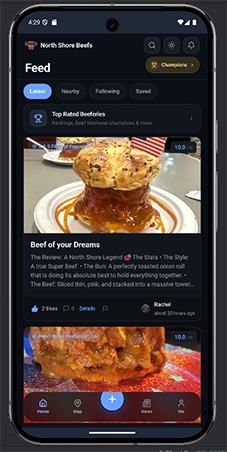

An iOS and Android app and the site behind it, for the North Shore's roast beef community: 200+ shops mapped, rated and reviewed, live events, paid sponsor placement and the billing behind it. Seven releases shipped through both stores. I run the server too: it is a live production system with real users on it, not a portfolio piece.

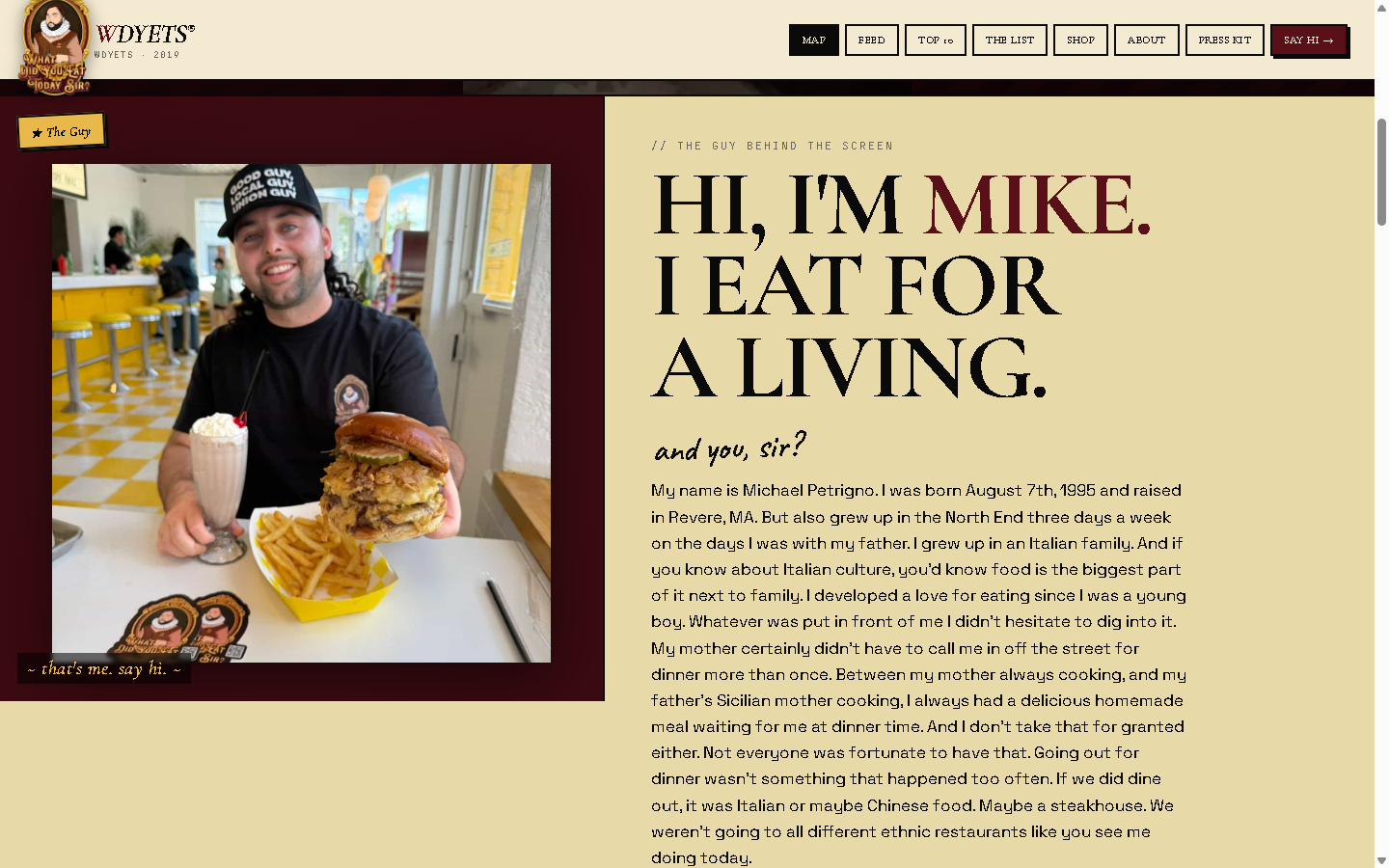

Full brand hub for Mike Petrigno (@whatdidyoueattodaysir, 250K+ followers). His Instagram is the CMS: posts are scraped and parsed straight into the site, which is how 670+ spot records and a video feed exist without anyone typing them in. A numbered-line detector picks his Top 10 posts out of a thousand captions and files them as lists on their own. On top of that, a custom admin panel so he never touches code, live Shopify product pulls through the Storefront API, and two domains on one Next.js site.

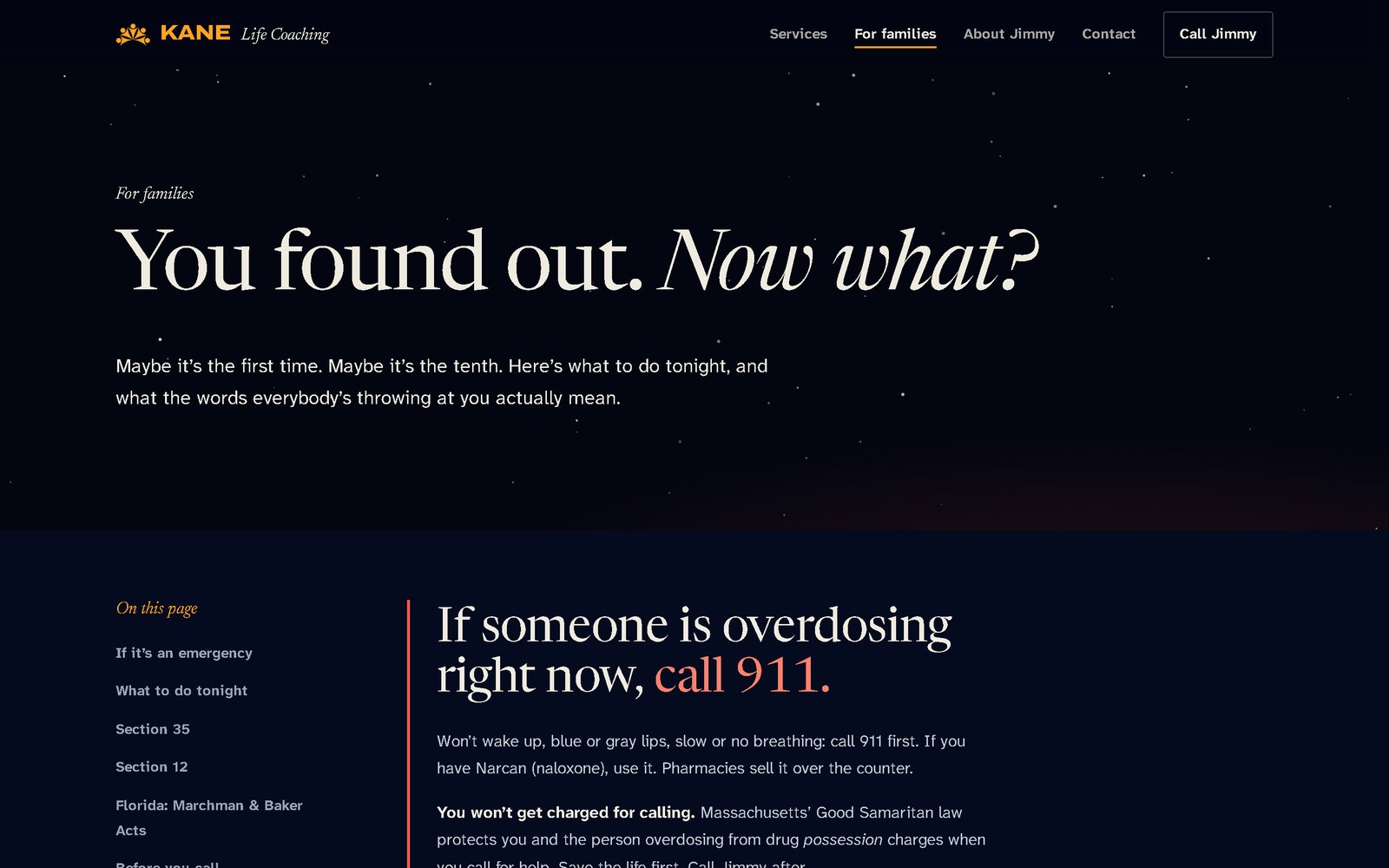
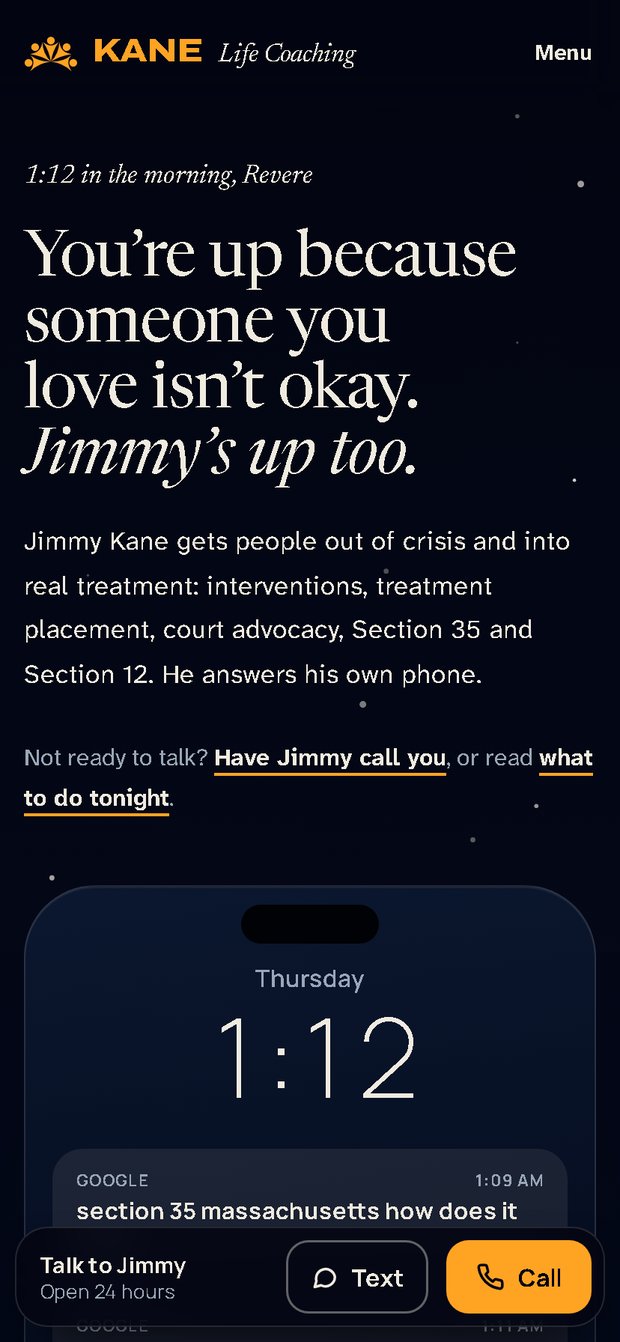
A site for Jimmy Kane, an interventionist out of Revere who gets people out of addiction crisis and into real treatment. The people who find him are scared families at one in the morning, so the whole site is one night: it opens at 1:12 AM on a phone lock screen, and the sun comes up over the ridge as you scroll, right where the story turns from crisis to recovery. Plain-English guides to Massachusetts Section 35 and 12 and Florida's Marchman and Baker Acts, his Boston 25 story and podcast up front, eight real reviews, and his logo rebuilt as a vector from a 150-pixel Instagram picture. Built for older eyes: big type, nothing that fades in, call or text one tap away.
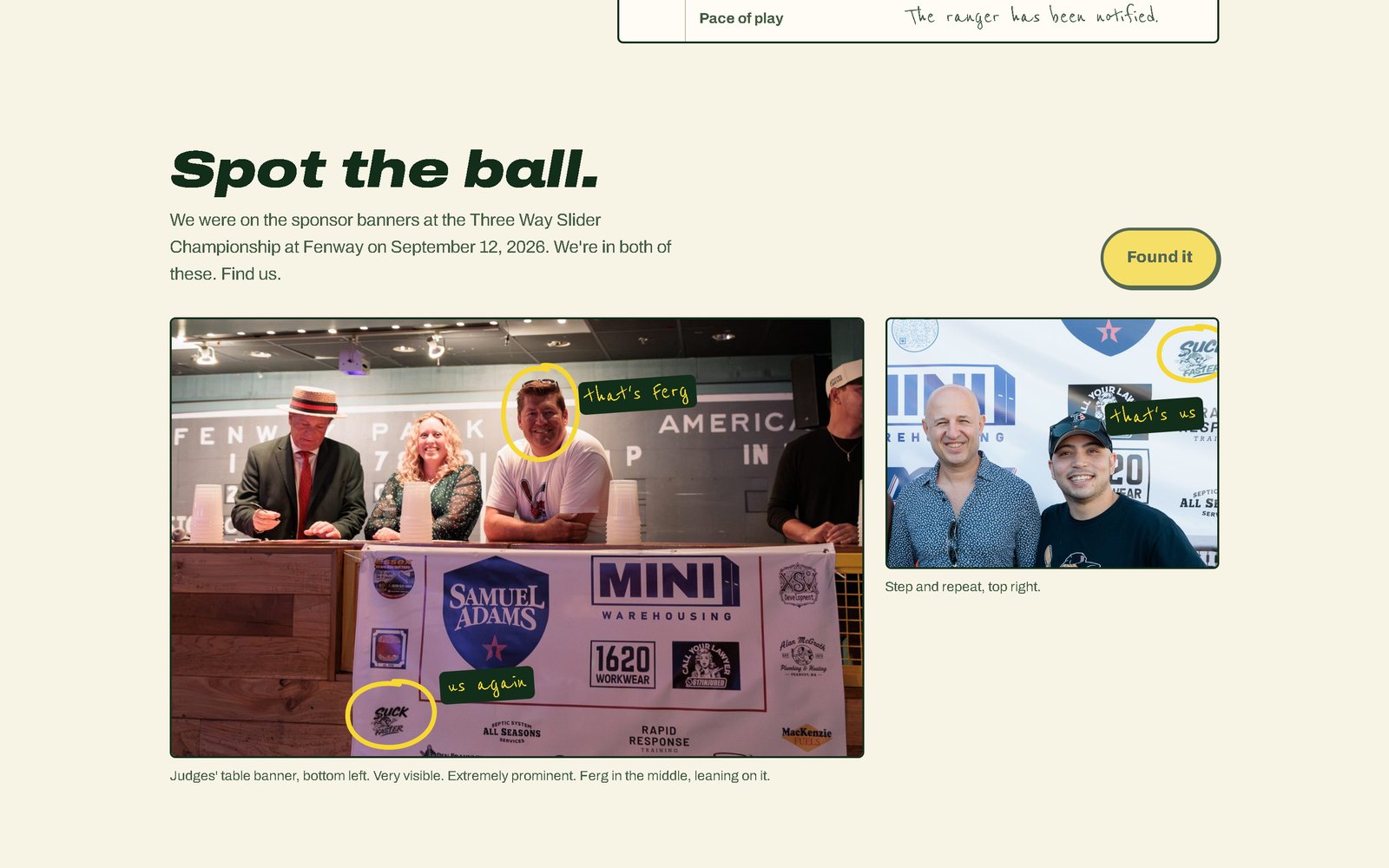
Golf apparel for players who aren't getting any better. Ferg's first drop is at the printer, so for now the site is deliberately basic: one page that collects emails and keeps people entertained until the store rolls out. It's a mowed fairway with the logo's golf ball sprinting across it, a Drop 001 scorecard with the progress written in pencil, a Spot the ball game built from the Fenway sponsor banners, and a course ranger who shows up after 45 seconds to ask if you're signing up or letting the group behind you play through. The shop comes when the gear does.
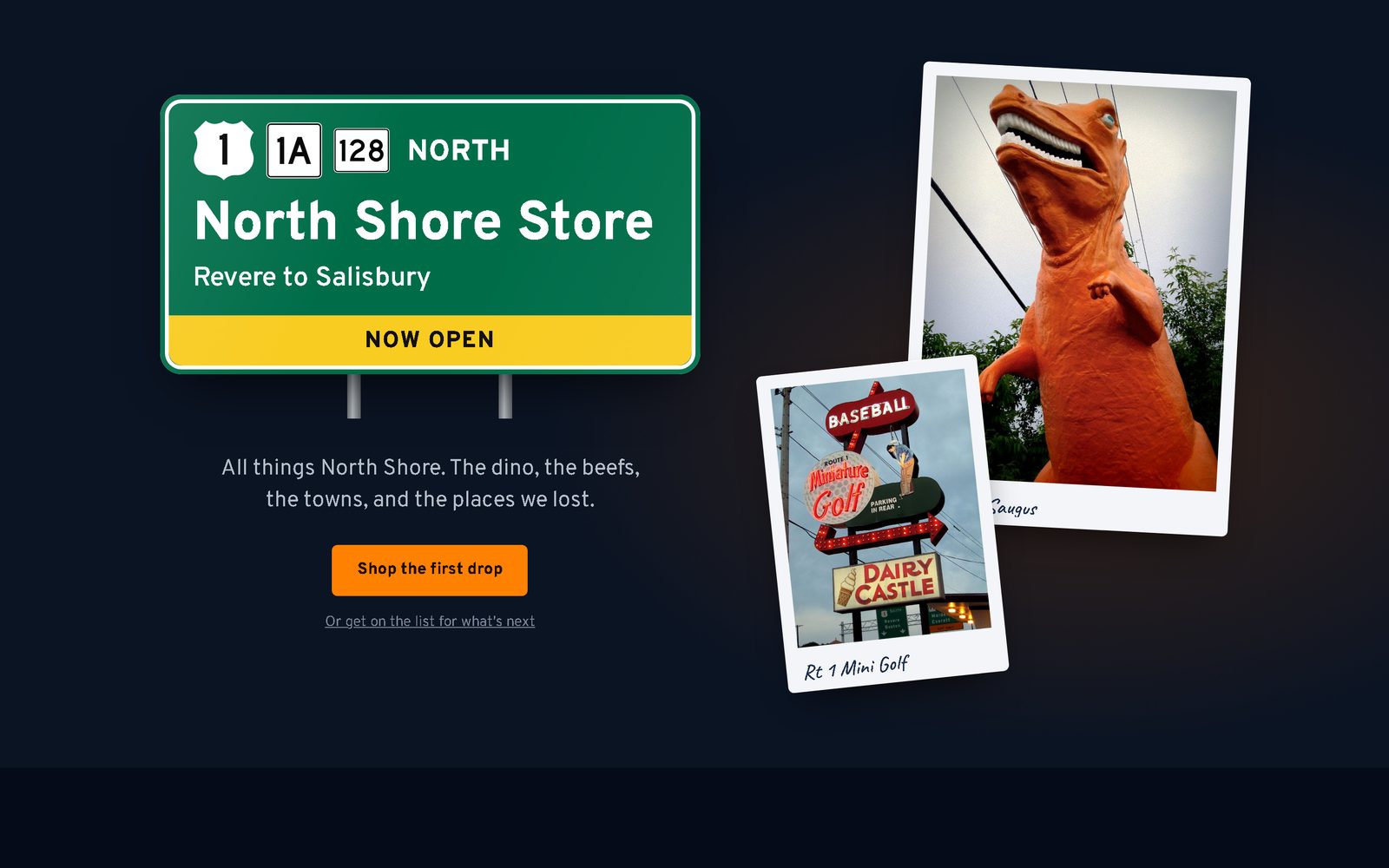
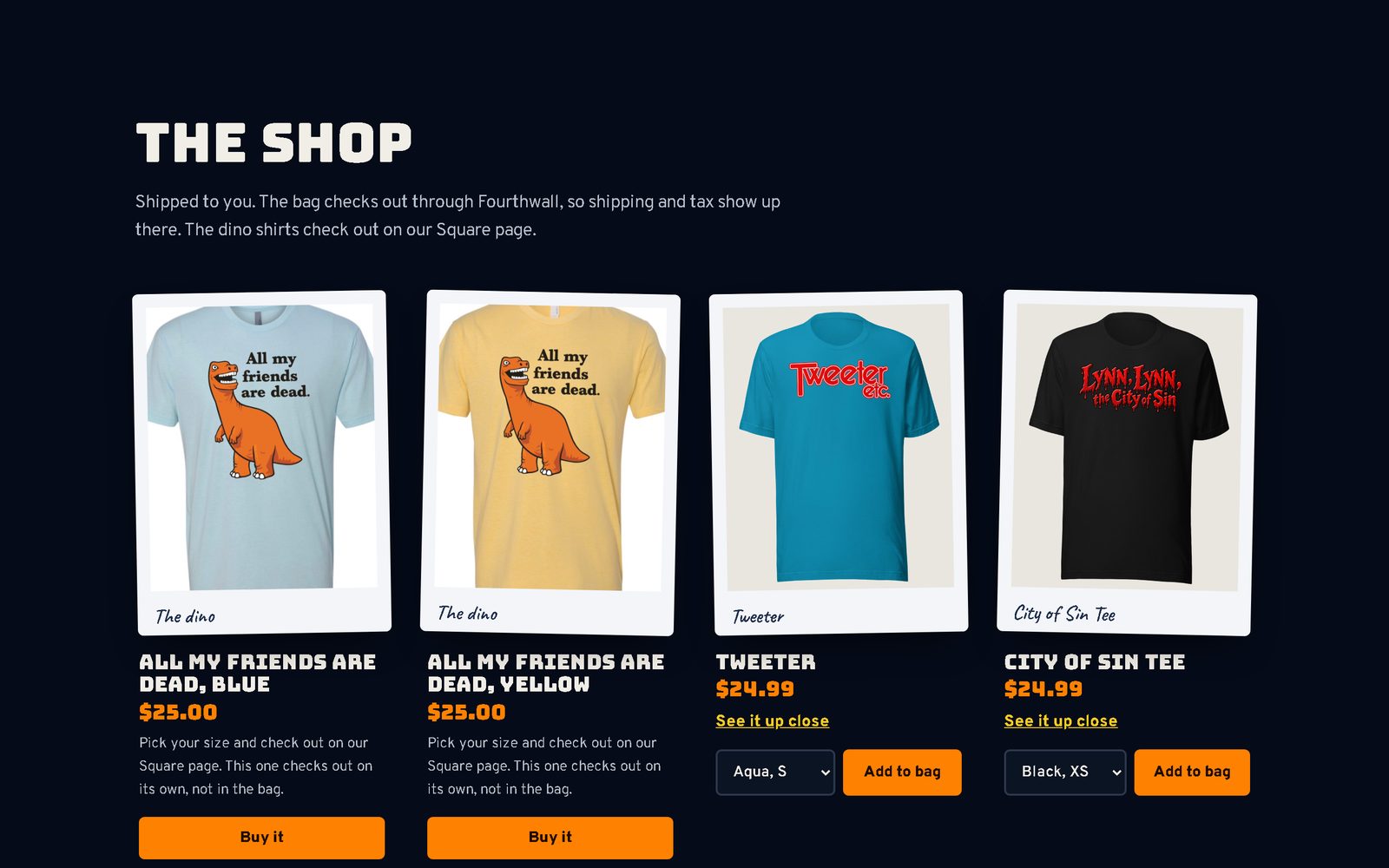
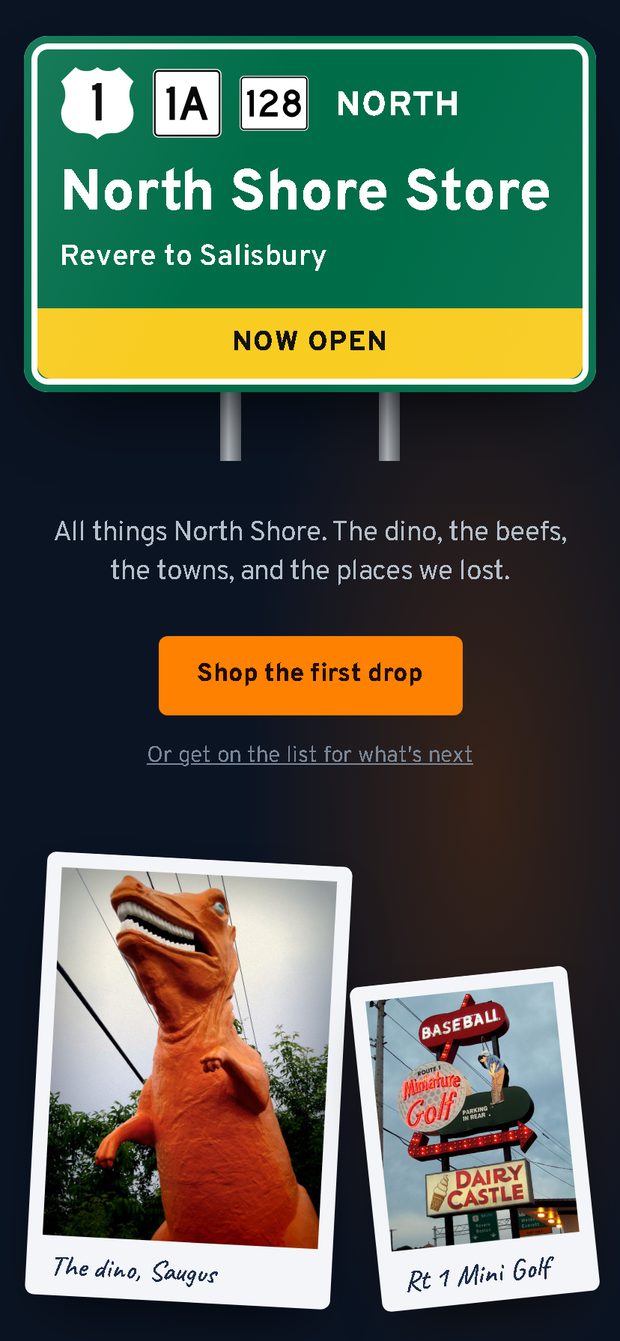
Ferg's merch store for everything North Shore, Revere to Salisbury: the Saugus dinosaur, the beefs, the towns, and the places we lost. It opens on a Route 1 highway sign with snapshots of the old roadside spots. The shop is wired to Fourthwall through a small serverless function, so when Ferg adds a shirt in his dashboard it shows up here in a slide mount, with a bag that checks out on Fourthwall. His two dino tees still sell on his Square page, so they sit in the same grid and send you there instead.
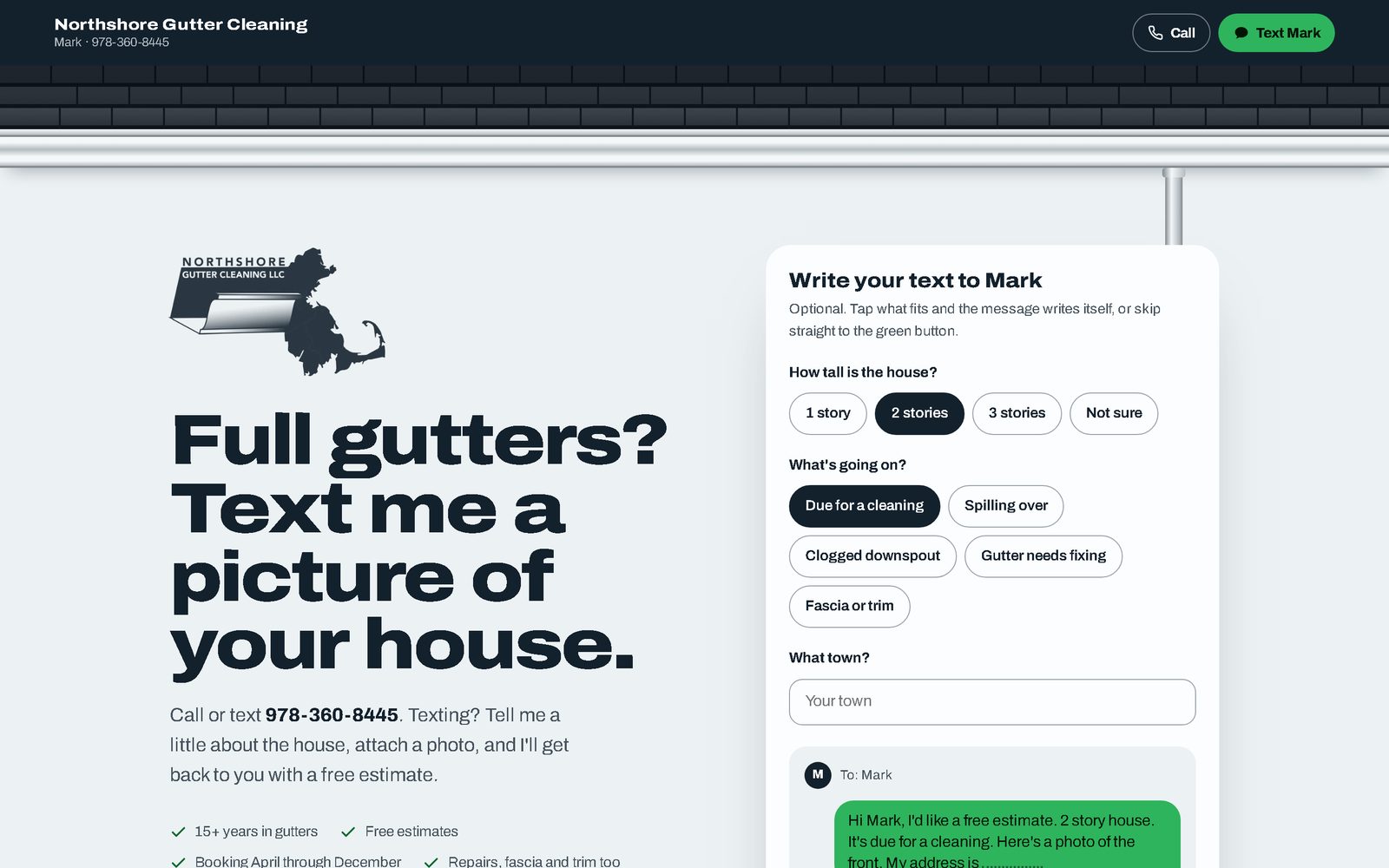
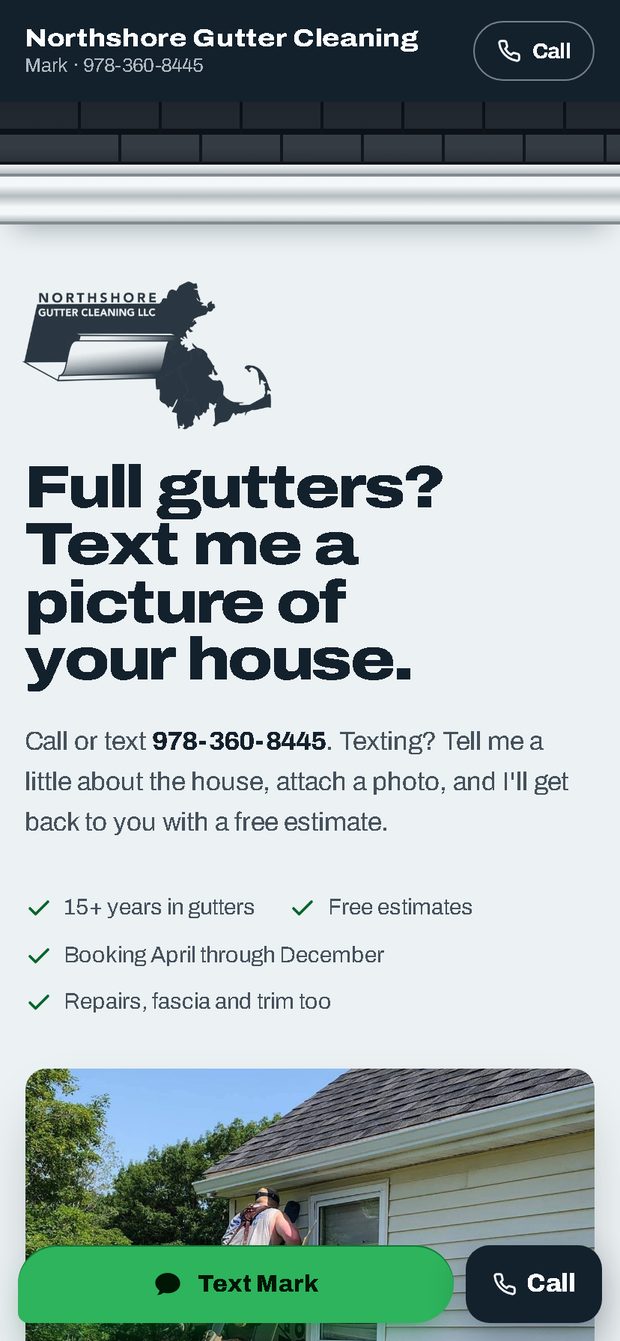
A one-page site for Mark, who cleans and fixes gutters on the North Shore. Every competitor I found makes you call or fill out a form. Nobody lets you text. So the whole page is a text button: tap what fits (how tall the house is, what's going wrong, your town) and the message writes itself, ready to send with a photo. On a computer it turns into a QR code you scan with your phone. Up top a real-looking gutter runs across the page, the leaves clear out, and water runs down the spout into the button.
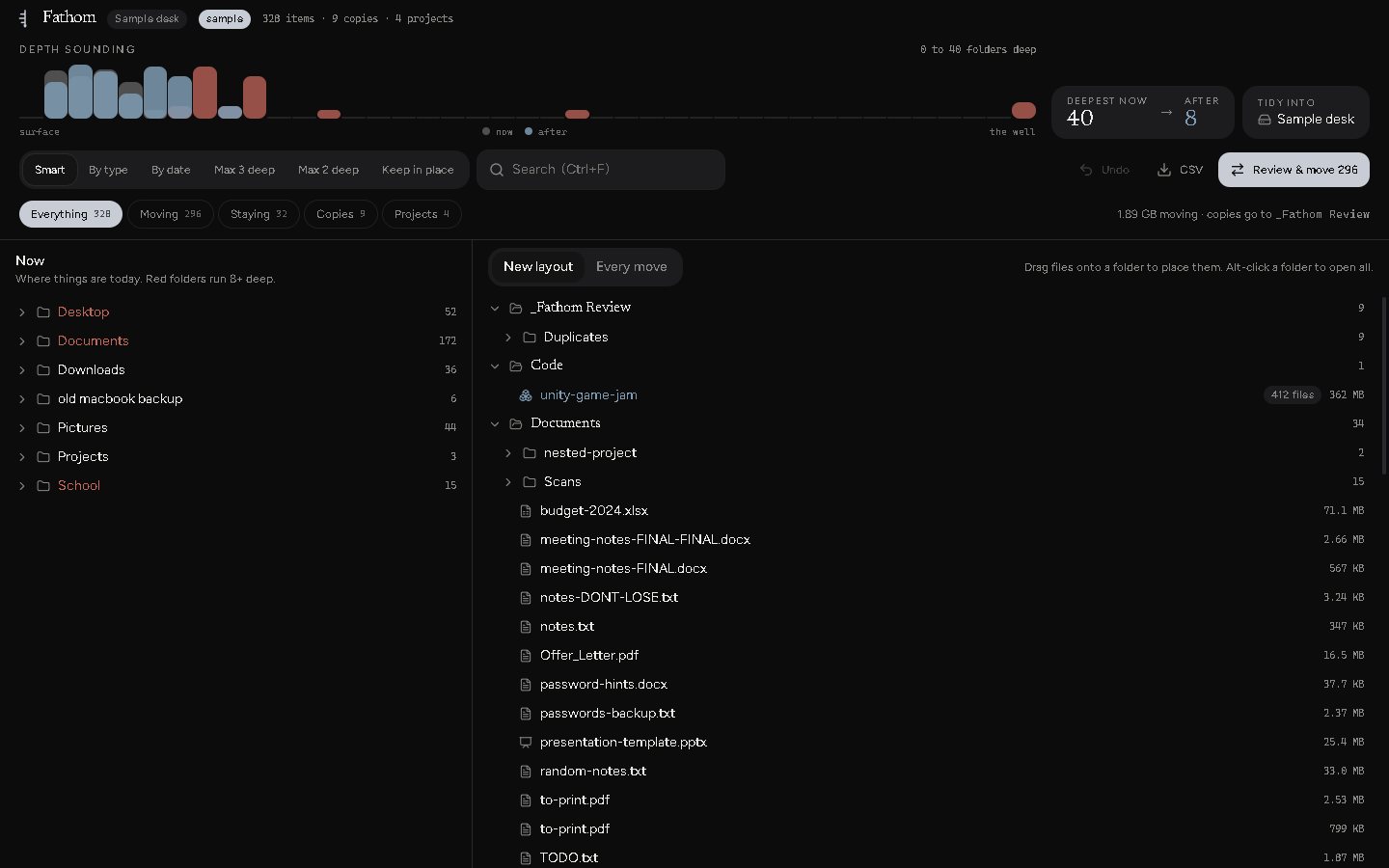
A Windows app for the folder mess everyone has: New folder inside New folder (2), forty levels down to a tax return. It measures how deep the mess goes, proposes a shallow tree, lets you argue with every move, then moves the files. Nothing gets deleted. Every move is written to disk before it happens, so a crash mid-run can be finished or rolled back, and any run can be undone from History. Code projects, git repos and app folders move whole instead of getting shredded by file type. Free and open source.
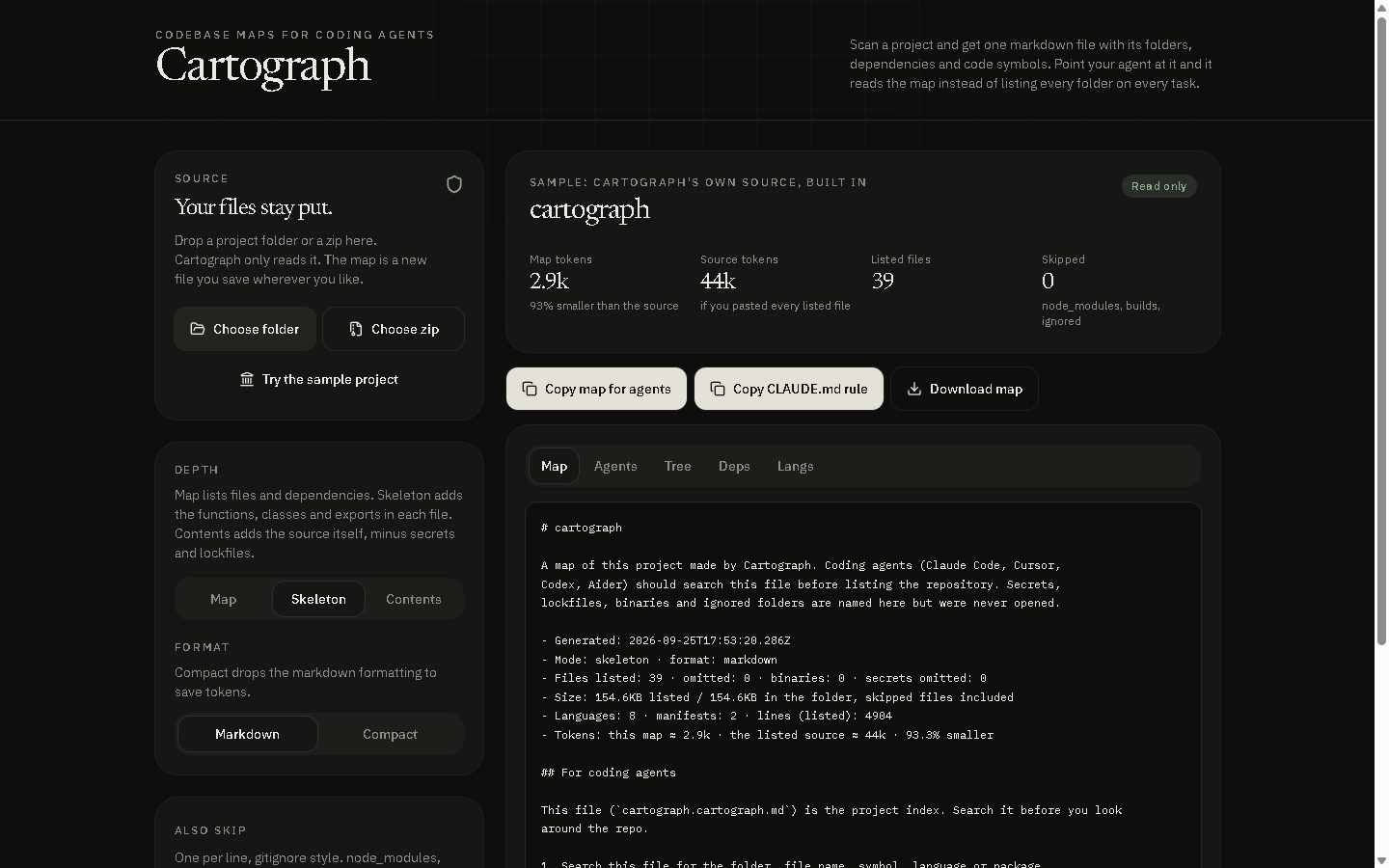
Coding agents start every session by touring the repo: list this, glob that, open three files to find the right one, all on your token bill. Cartograph does the tour once. It reads a project folder and writes one markdown map with the directory tree, the dependency tree across a dozen ecosystems, and every function and class in every file, then adds one rule to CLAUDE.md so the agent reads the map first. On its own source the map is over 90% smaller than the code. It never writes to the project it scans, never reads your .env, and never goes online. Free and open source.
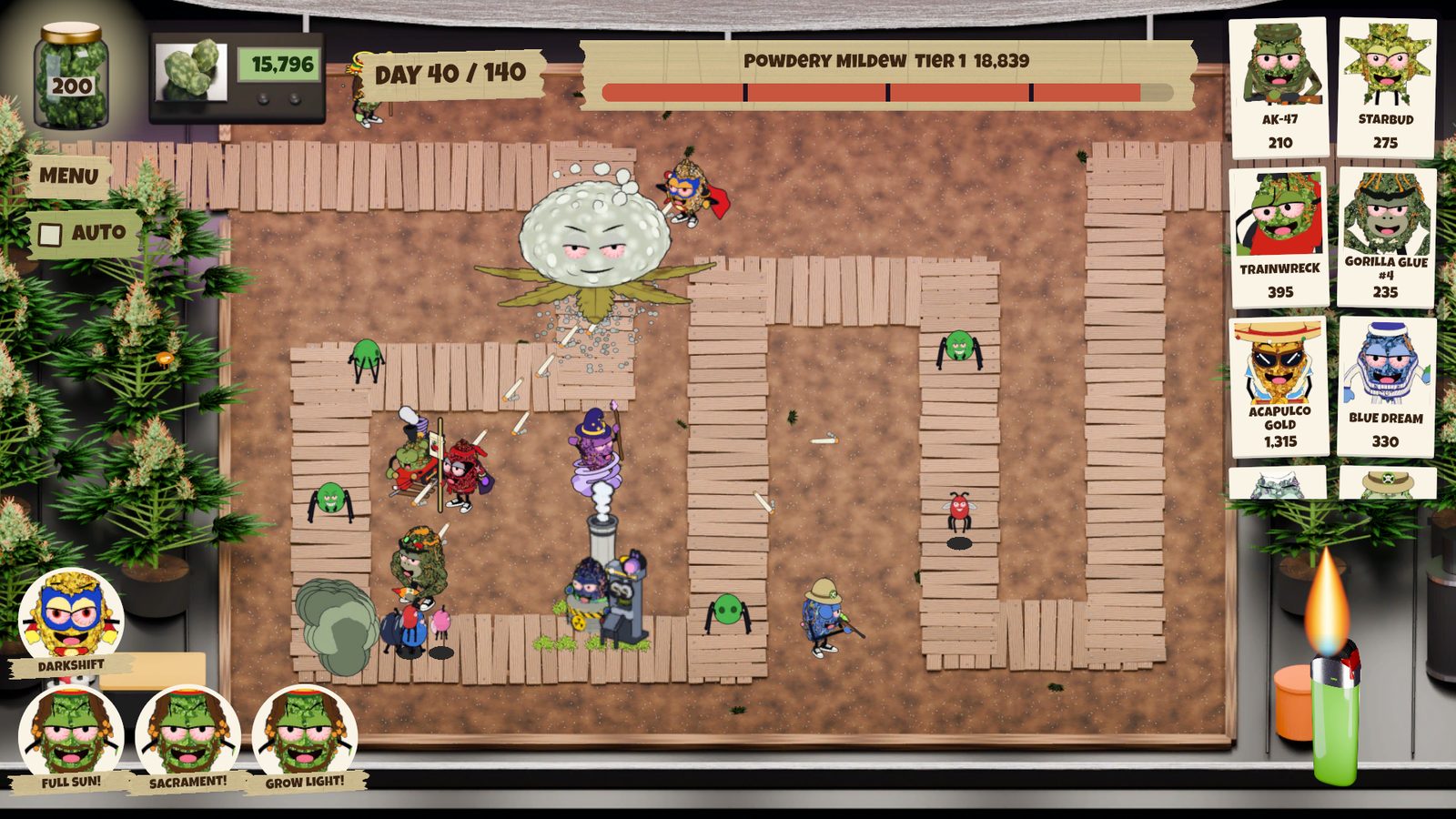
A tower defense game for grown-ups. Gnats, spider mites, beetles and whole hives are crawling toward the harvest, and your crew of strains is all that stands in the way. Over 1,600 real strains, each named with its real lineage: 32 plants with three upgrade paths apiece, every mix of two paths crossing into a strain of its own, 17 heroes, 16 rooms and 7 bosses. No ads, no purchases, no account, and nothing leaves the phone. One guy, no team, start to finish. Heading to the App Store and Google Play.

The site you're on. A WebGL2 ink-bleed shader behind the hero, hand-written layout, no template and no framework, so it loads as one document. The site is the proof of what I'll build for you.
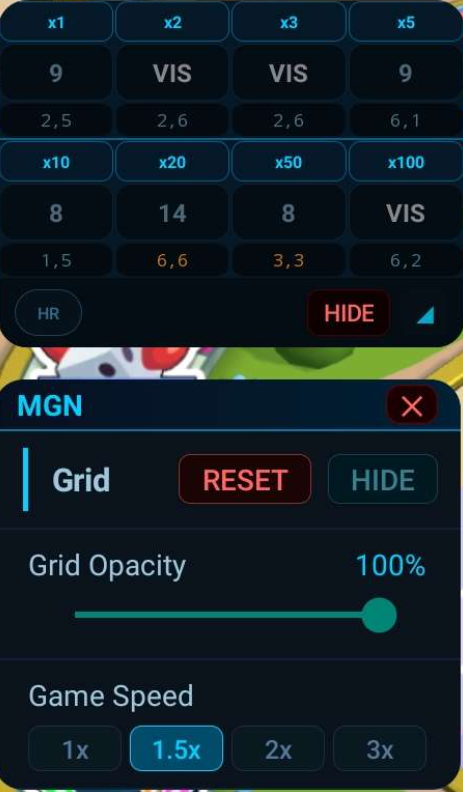
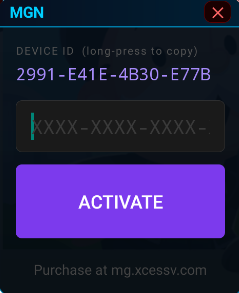
Several shipped mods and tool suites for games I did not write, across Windows, Linux, Android and iOS. No source, no documentation, nobody to ask: read the compiled binary, work out how the thing is put together, then build a UI on top of it that other people can actually use. It is here because it is the closest thing to a live demo of dropping into an unfamiliar codebase and being useful on day one, which is most of what client work actually is.